Main Points
- Agile shortens feedback loops, so wrong assumptions get fixed while change is cheap.
- Its main costs are harder fixed-price promises and a heavy demand on the product owner.
- Agile works best for uncertain requirements and small, engaged teams.
- Adopt the engineering habits, not only the meetings, or you get the cons without the pros.
Agile is the default way to build software, and it still gets argued about in every second planning meeting. Fans call it the only sane approach, critics call it endless meetings. Both have a point. After working with teams from small product groups to large internal IT departments, my view is that agile delivers real benefits when certain conditions hold and creates real costs when they do not. An agile software consulting review often begins by testing exactly that.
Below are the main advantages and drawbacks, a table that compares them, and a checklist to decide whether agile fits your project.
What Agile Software Development Means in Practice
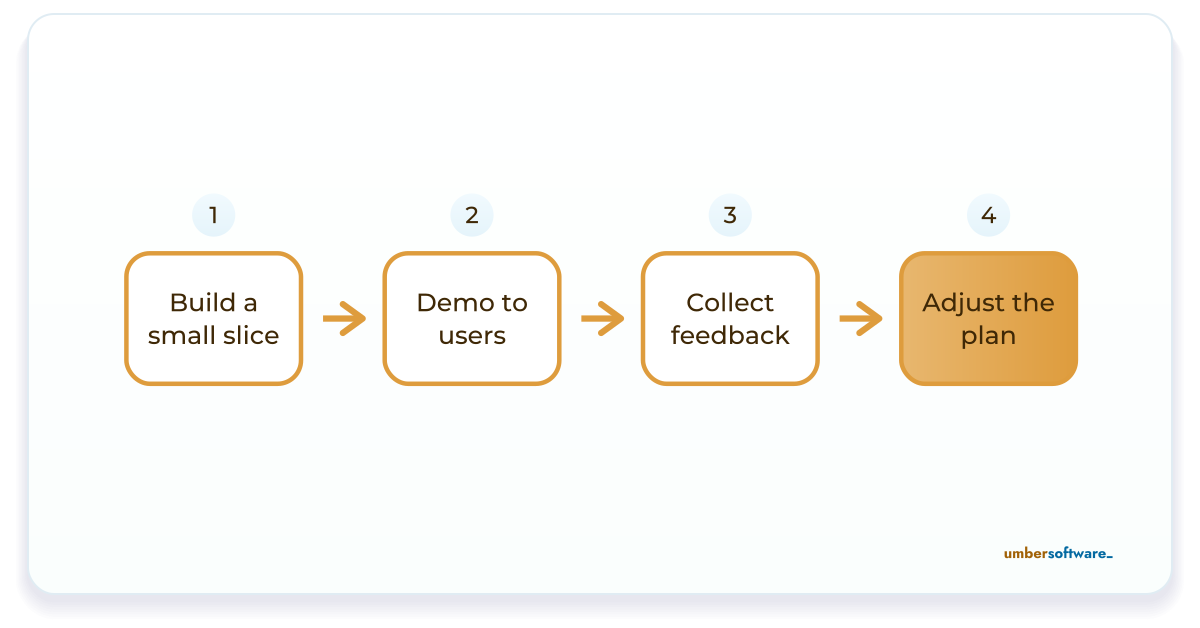
Agile software development builds a product in short cycles, usually one to four weeks, and delivers working software at the end of each. The team reviews the result with users, adjusts the plan and starts the next cycle. The 2001 Agile Manifesto states the values: individuals and interactions, working software, customer collaboration and responding to change, valued more than their counterparts, although the latter still count.
Scrum, Kanban, XP and hybrids are ways to apply those values. They differ in structure, but all of them favor small batches, frequent feedback and a plan that changes. You can see how the pieces fit together in my step-by-step agile software development framework.
Advantages of Agile Software Development
Feedback Arrives While Change Is Still Cheap
Each sprint ends with software people can click. Stakeholders spot wrong assumptions after two weeks instead of after nine months. I have watched a client discard a planned reporting module after one demo because users showed that a simple export solved the problem. That saved months of work.
Risk Shows Up Early
Integration trouble, unclear requirements and performance problems surface in the first few sprints because you build thin slices of the whole system early. Waterfall tends to hide them until testing, when fixing them is slow and expensive.
The Most Valuable Work Comes First
A ranked backlog means that if time or budget runs short, the missing items are the least important ones. You can also release a useful first version sooner and add to it while customers use it.
Quality Practices Are Built In
Agile teams usually test every sprint, review code continuously and automate builds. Those habits reduce defects. They come from the engineering side of agile more than from the meetings, and they are the part I push hardest in client work.
Teams Own Their Work
Self-organizing teams that pick their own sprint scope tend to feel more committed. Retrospectives give people a regular, safe channel to fix annoying problems, which helps retention.
Disadvantages of Agile Software Development
Scope, Cost and Dates Are Harder to Fix
Because scope can change, a fixed-price, fixed-date promise is awkward. You can fix budget and time and flex scope, but many contracts and finance teams expect a complete list of features upfront. Without a plan for this conflict, agile turns into constant negotiation.
It Demands Discipline and Involvement
The product owner must be available, decide quickly and say no. When that person is part-time or a committee, the team waits for answers and the sprint stalls. Agile also needs honest estimation and willingness to show unfinished work.
Documentation Can Get Thin
Working software over comprehensive documentation is easy to misread as no documentation. Years later, nobody knows why a system works as it does. Regulated work such as medical or financial software still needs traceable records, so plan for them.
Scaling Adds Overhead
One team of seven runs agile easily. Fifty developers across eight teams need shared architecture, dependency management and a common cadence. Frameworks for this exist, but they add roles and meetings that can bury the original benefits.
Cargo Cult Is Common
Many organizations adopt the rituals, such as standups and sprints, without the habits that give agile its value. Fortnightly mini-waterfalls with a daily meeting deliver few benefits and plenty of frustration.
Agile Pros and Cons at a Glance
| Area | Advantage | Drawback |
|---|---|---|
| Planning | Plans adjust to new information | Hard to give a fixed price and date |
| Quality | Frequent testing and review | Needs automation investment to stay safe |
| Customers | Early, regular feedback | Requires an available, decisive product owner |
| Team | Ownership and learning through retrospectives | Pressure when expectations stay waterfall |
| Documentation | Lean and current | Can become too thin for regulated work |
| Scale | Works well for small teams | Coordination overhead grows with size |
How the Trade-Offs Look From Each Seat
Whether agile feels like a good idea depends on where you sit, and most arguments about it are really arguments between seats.
For Developers
You get clearer, smaller tasks, quicker feedback and a say in how work is done. You also lose the long quiet stretches that big projects allow, because work is visible every day and estimates get questioned. Developers who value deep, uninterrupted work sometimes find the ceremonies draining, so keep them short and purposeful.
For Product Owners
You gain control over priorities and a steady stream of working software to learn from. You also carry the heaviest load: writing stories, answering questions the same day and saying no to stakeholders. When this role is under-resourced, the whole process wobbles.
For Managers and Executives
You get progress you can see and the option to change direction cheaply. You give up the comfort of a detailed plan with a fixed end date. The reporting changes from percent complete to what shipped and what it did for customers, which takes some adjustment but tells you far more.
The Costs People Forget to Budget
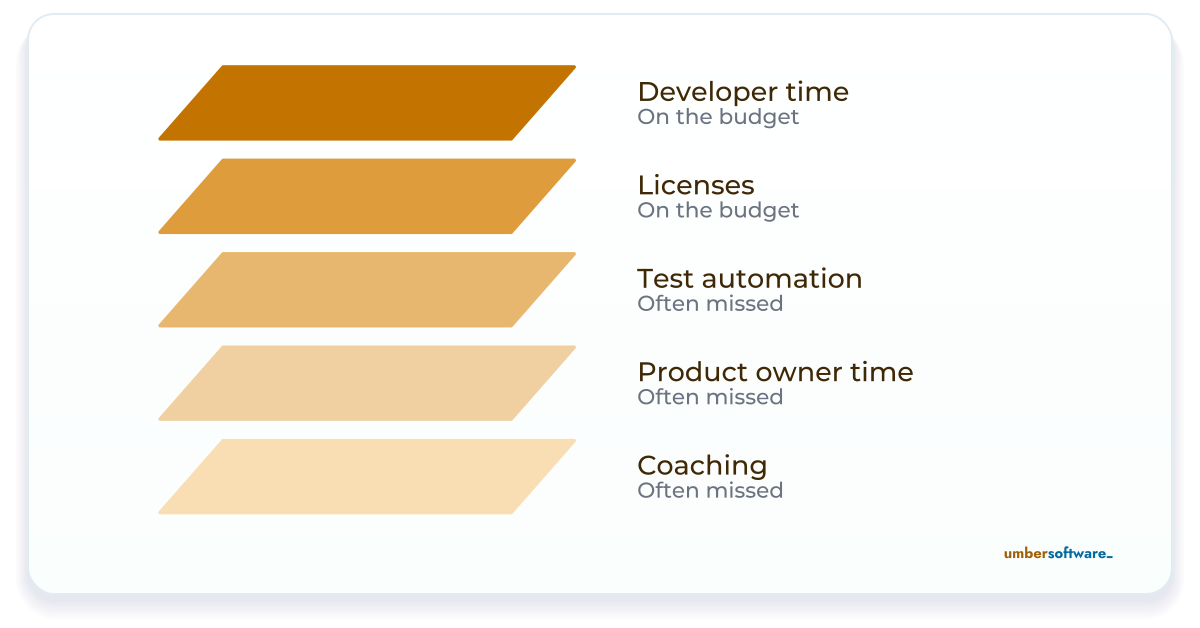
Most agile business cases list the benefits and skip the costs. Plan for these from the start, so the program does not stall when the invoice arrives.
| Hidden cost | Why it appears | How to handle it |
|---|---|---|
| Test automation | Short cycles need fast, repeatable checks | Invest early and build the suite alongside features |
| Product owner time | Someone must answer questions daily | Free up a real share of a named person's week |
| Training and coaching | Habits change slowly | Start with one team and spread what works |
| Tooling and pipeline work | Frequent releases need automated deployment | Fix the pipeline before scaling the process |
| Coordination between teams | Dependencies grow with team count | Align cadence and keep teams loosely coupled |
None of these costs is a reason to avoid agile, since waterfall projects pay them too, just later and in the form of late surprises. The point is to budget them and measure whether they pay off.
What Failure and Success Look Like
The failure pattern I see most is the agile-in-name-only team. It runs sprints, standups and retrospectives, but a manager hands down the scope, estimates are treated as commitments and releases still happen twice a year. The team feels the overhead of agile without any of the flexibility, and people start to say agile does not work.
The success pattern looks quieter. Stories are small enough to finish in a few days, the build is green most of the time and the team shows working software to a real user every sprint. When priorities change, the team reorders the backlog on Monday and the change is live by Friday. Nobody talks much about agile, because the delivery speaks for itself.
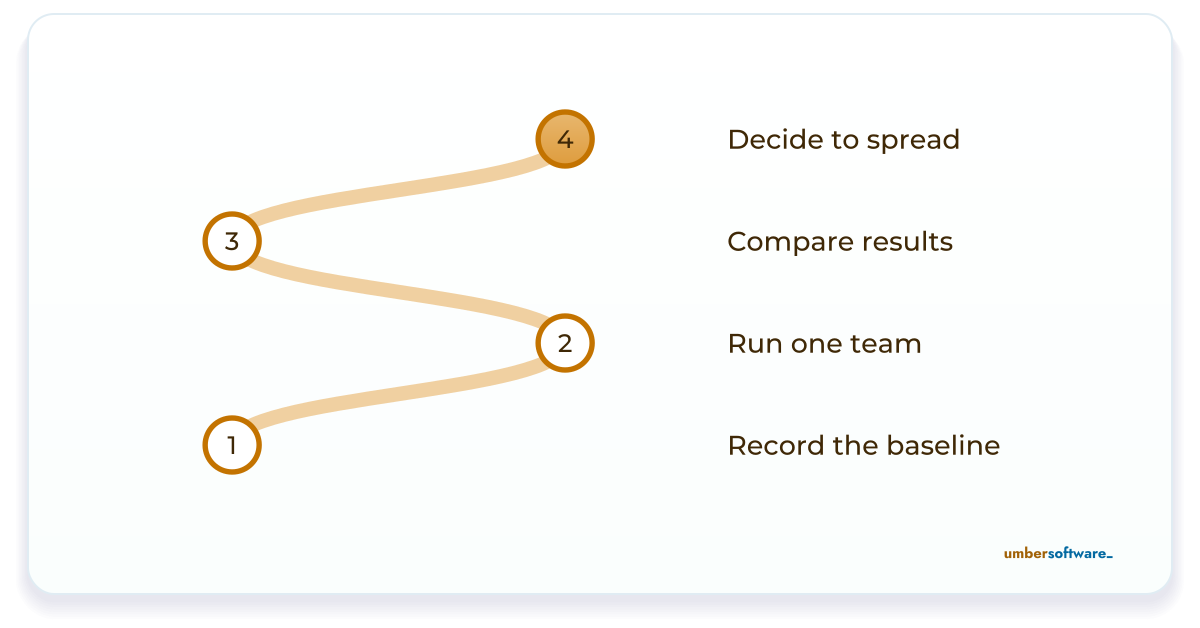
The difference between these two is rarely the framework. It is whether leadership accepts that scope flexes and whether the team invests in the engineering practices that make small releases safe. If you are weighing a move, I suggest you pilot with one team for three or four sprints, measure cycle time and escaped defects before and after, and decide with data instead of opinion.
Be honest about the baseline before the pilot starts. Record how long items take today, how many bugs reach users and how often you release. Without those numbers, every opinion after the pilot sounds equally plausible, and the argument starts again. Share the results openly, including the parts that did not improve, and decide together which practices to keep, change or drop.
When Agile Fits and When It Does Not
Agile fits best when requirements are unclear or likely to change, users are available for feedback and the team can ship in small increments. Product development, internal tools and most web and mobile work match this description.
It fits less well for projects with fixed, fully known requirements and regulatory sign-off at each stage, such as a bridge control system, or for work that cannot be released in pieces. Even then, many teams use a hybrid: a planned overall scope with agile delivery inside it.
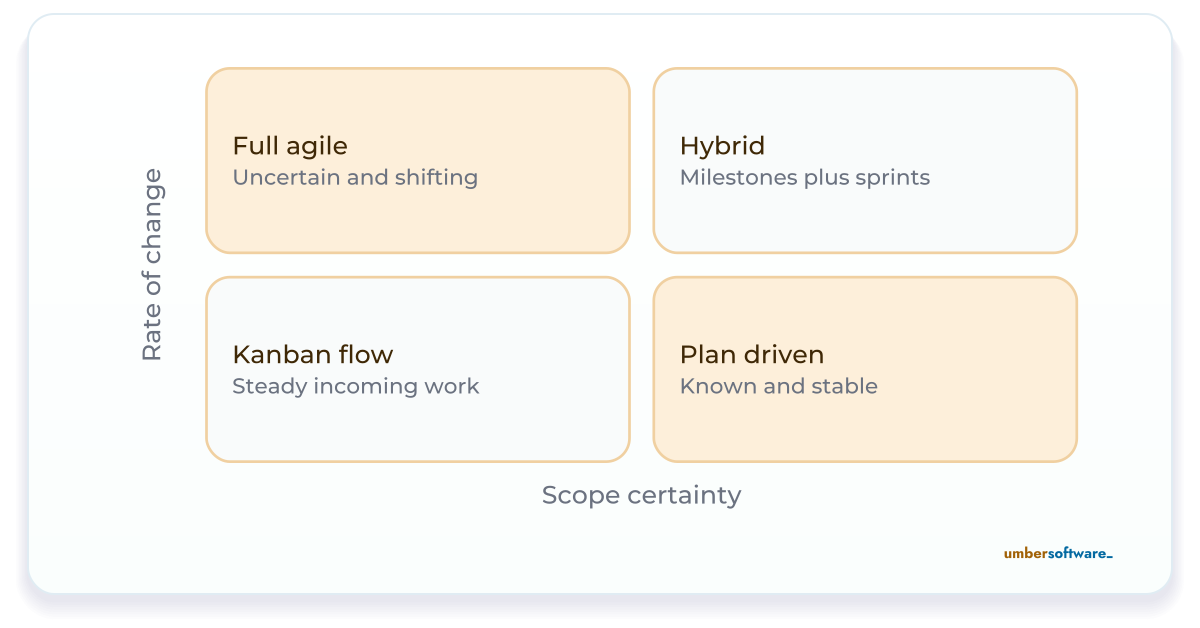
| Situation | Likely fit | Notes |
|---|---|---|
| New product with uncertain requirements | Strong | Short cycles reduce the cost of wrong guesses |
| Internal tool with engaged users | Strong | Easy feedback and small releases |
| Regulated product with traceability duties | Moderate | Use agile delivery with planned documentation |
| Fixed contract with fully known scope | Weak to moderate | Hybrid with milestones often works |
| Hardware-dependent releases | Moderate | Use agile for software layers and plan hardware gates |
Is Agile Worth It for You?
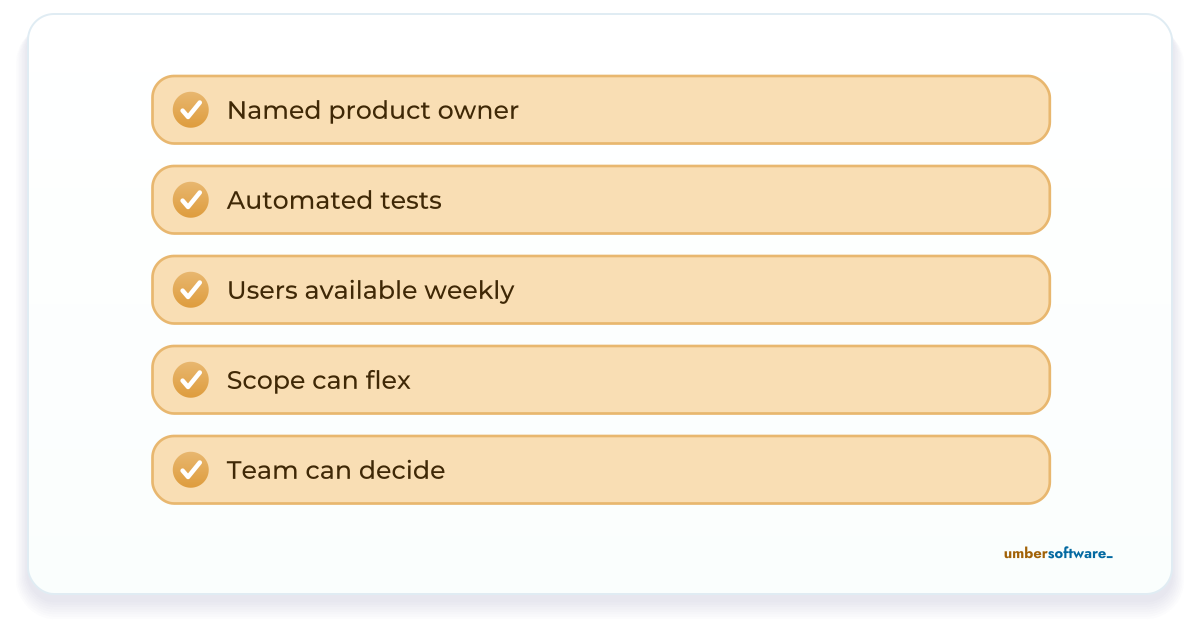
Answer these questions honestly.
- Can you name one person who decides priorities and is available every day?
- Can your team release or demo working software at least every two to four weeks?
- Does your organization accept that scope may change while budget and time stay fixed?
- Do you have, or will you build, automated tests and a deployment pipeline?
- Can your stakeholders attend regular reviews?
If you answered yes to most, agile is probably worth it. If you answered no to two or three, fix those first, because adopting the process without the conditions generates the cons without the pros. To see which numbers to watch once you start, read my guide to agile software development metrics, and compare tracker options in my list of agile software development tools.
Sources
Questions About Agile Software Development Pros and Cons
What Are the Main Advantages of Agile Software Development?
Early feedback, earlier risk detection, flexible priorities and built-in quality practices. Teams learn from real use and can adjust course at the end of every short cycle.
What Are the Main Disadvantages of Agile?
Fixed price and date promises become harder, the approach needs an available product owner, documentation can become thin and scaling adds coordination overhead.
Is Agile Better than Waterfall?
Not always. Agile suits uncertain or changing requirements, while a plan-driven approach can suit fully known, regulated or hardware-bound work. Many teams combine both in a hybrid model.
Does Agile Work for Small Teams?
Yes, small teams of three to nine people are where agile works most smoothly. Communication is simple, and planning ceremonies can be short.
Does Agile Mean No Documentation?
No. The manifesto prefers working software over comprehensive documentation, but you still document decisions, architecture, APIs and anything regulation requires. Keep it light and current.
Is Agile More Expensive than Traditional Development?
The effort per sprint is similar. The difference is in total cost: agile limits waste by changing direction early, but it may cost more in coordination and test automation. Budget is fixed by choosing scope per sprint.
How Long Does It Take to See Benefits from Agile?
Teams usually see better visibility and fewer surprises within two or three sprints. Gains in speed and quality depend on engineering practices and typically take a few months.
Please note: this guide is general information and not legal, financial or tax advice. Numbers and examples are typical-project estimates; confirm current details with your providers and advisers.
Did this article help you?
Thanks, noted.
Whitney Sorensen
Whitney leads the Umber editorial team and works with the consultants to turn real client projects into practical guides on software selection, custom development, integration and legacy modernization. Before joining Umber, she spent years writing and editing for engineering and IT teams. She has since reviewed architecture audits, system selections and modernization plans from client projects across industries from manufacturing to healthcare. She works remotely from the USA.