What Does a Software Engineering Consultant Do?
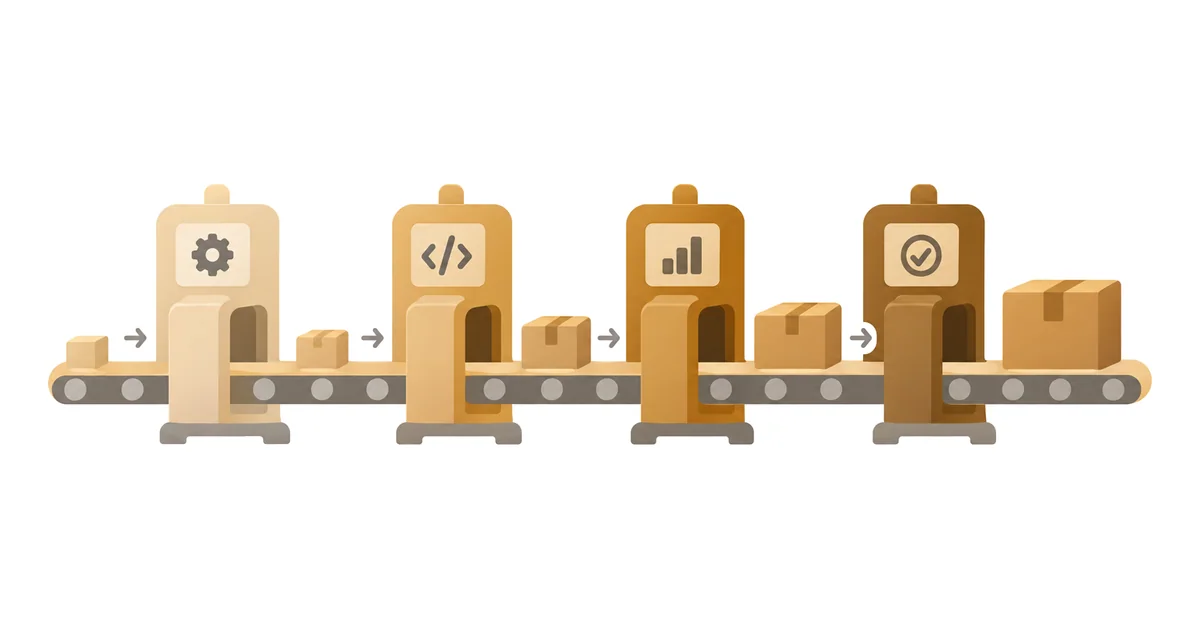
A software engineering consultant reviews how your team writes, tests, builds and releases software, then helps you fix the practices that cost the most time. That can include pipeline automation, code review rules, test strategy, technical debt planning and coaching. The goal is faster, safer delivery with the team you already have, and a set of habits your developers can keep running without outside help.
How Is This Different from Custom Software Development?
Custom development builds a product or feature for you. Software engineering consulting improves the way your own team builds. You can use both, but they solve different problems. If features take too long or releases keep breaking, the cause is usually in the delivery process, and more development hours will not fix it. A consultant finds the cause and helps your team remove it.
Do We Need to Change Our Tech Stack?
Usually not. Most delivery problems come from missing tests, manual releases and unclear review rules, not from the language or framework. Your assessment shows whether a stack change would pay back, and you see that reasoning in writing before any decision. Changes are only recommended when the cost of staying is clearly higher than the cost of moving.
How Long Does an Engagement Take?
A focused assessment takes two to three weeks. Pipeline and testing work usually runs four to eight weeks, depending on how many repositories and environments are involved. You get a timeline with your ranked plan before anything is changed. Work ships in small steps next to your normal releases, so you see progress early and your team is never blocked.
How Much Does Software Engineering Consulting Cost?
The cost depends on the size of your code base, the number of teams and how much hands-on work you want. You get a realistic cost range on your free discovery call and a fixed quote after the assessment, so there are no surprises later. Most first projects are scoped small, so they can pay for themselves before you decide to go further.
What Do You Measure?
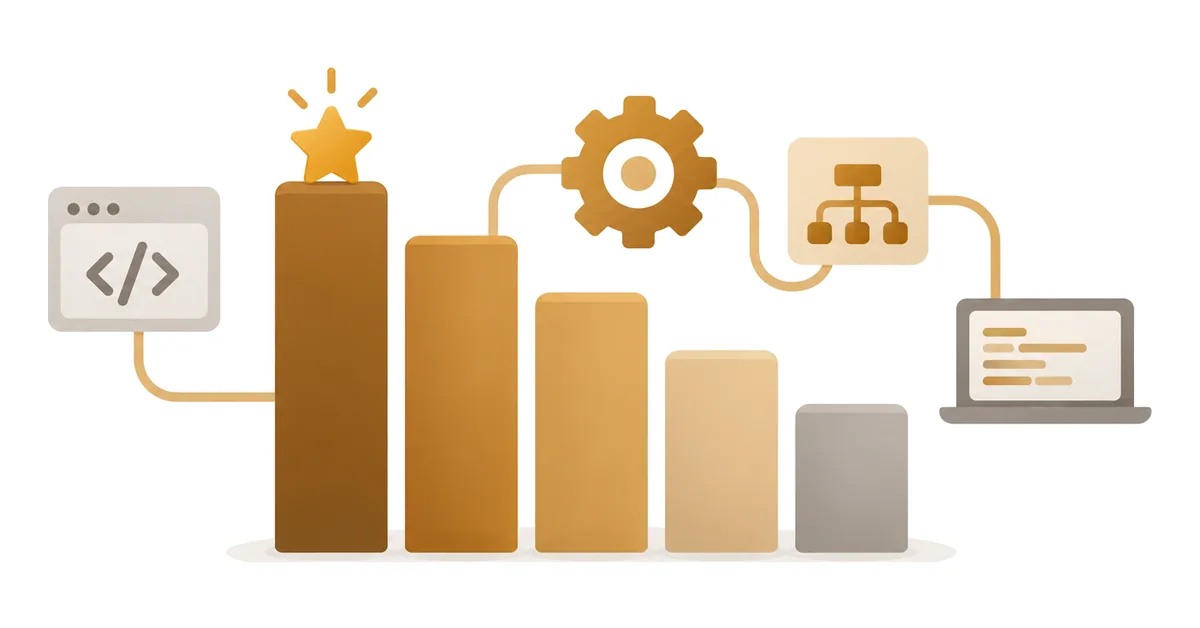
Before any change, a baseline is recorded: lead time, deployment frequency, change failure rate and time to restore service. After each change, the same numbers are tracked every month and reported to you in one short document. These measures come from widely used delivery research, and they let you see whether a practice helped or just added ceremony.
Will You Work with Our Developers or Replace Them?
You work with them. The consultant pairs with your developers on real tasks, explains the reasons behind each change and hands over documentation. Your team keeps ownership of every pipeline and practice. The aim is that after the engagement nobody needs the consultant to keep releases running smoothly.
How Do You Keep Our Source Code Secure?
Access follows least-privilege rules, so the consultant only sees the repositories and environments the work needs. Wherever possible, work happens inside your own accounts and tooling, and every access is logged. NDAs are available on request. You always know which systems are connected and who can reach what.
Do You Offer Support After the Engagement Ends?
Yes. After handover, your dedicated account manager can stay on for monthly check-ins, metric reviews and extra help when you hit a new problem. Support is available in 5+ languages. As your team and product grow, practices are adjusted to match, and you keep full documentation either way.
 Your delivery gets measurable