Jump to content
Contact

Software Modernization Consulting

You get an aging system moved to a current platform in safe steps, with the business running the whole time. You start with a free first call and strategy workshop.

Schedule a Free Consultation
  • Savings shown up front
  • No pressure
  • Fast reply
Rated by teams in 7 sectors
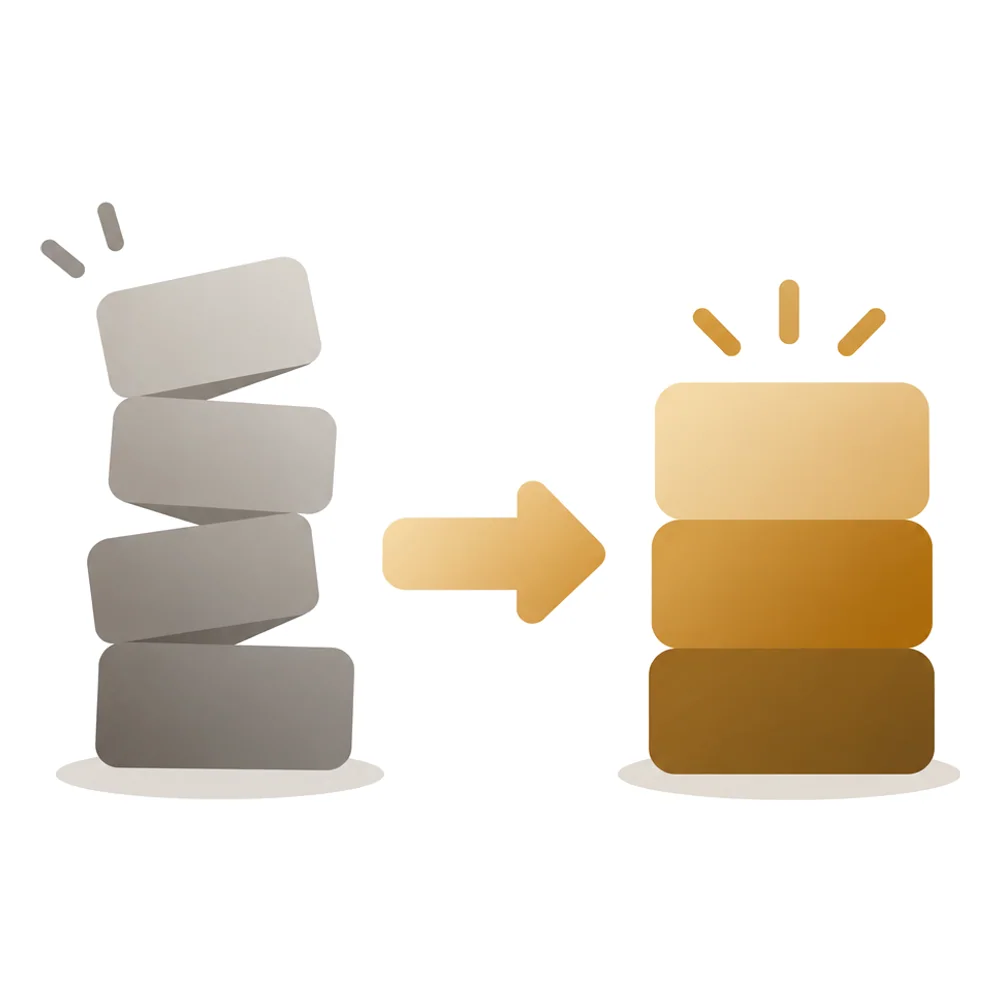
A crooked gray stack becoming a tidy colored stack shows an old system modernized step by step.
  • Full-service, end-to-end software consulting
  • 200+ selections & implementations
  • 80+ legacy modernizations
  • 100+ architecture audits
  • Rated by teams in 7 sectors
  • Complimentary consultation and strategy session
  • Dedicated account manager
  • Five-plus support languages

What Is Software Modernization Consulting?

Software modernization consulting is a service that helps you update or replace legacy applications without stopping the business that depends on them. A consultant audits the system, chooses the right path for each part, from rehosting to rewriting, and guides the move in small, reversible steps. You start with what the system does for you, not with a technology preference.

How Software Modernization Works for Your Business

  1. System gets mappedCode, data, integrations and the people who know them are documented, so nothing important stays hidden.
  2. Paths get chosenEach part is rated by business value and risk, then assigned to keep, rehost, refactor, replace or retire.
  3. Pieces get movedModules move one at a time behind a thin layer, so old and new run side by side.
  4. Quality gets provenAutomated tests and parallel runs compare old and new results before you switch traffic.
  5. Done tick iconYou get a system you can changeReleases become routine again, with documentation and a team that understands the new setup.

What Software Modernization Consultants Actually Do

A good engagement covers the full path from audit to cutover, so you never end up with a rewrite that runs two years late and still lacks features.

  • Architecture audit and dependency mapping
  • Modernization path per component
  • Incremental migration planning
  • Database and data migration
  • API layers and integration rework
  • Testing, cutover and knowledge transfer

The Hidden Costs of Keeping a Legacy System Running

A legacy system rarely fails in one dramatic moment. It slows every project around it, until the real cost is buried in a hundred small delays.

  • Hourglass icon1.

    Every Change Takes Longer

    Tangled code and missing tests turn small requests into weeks of careful work, so features reach your customers late.

    Real costSlow Releases

    Delivery speed that falls a little each year

  • Warning icon2.

    Security Gaps Nobody Can Close

    Unsupported frameworks and old libraries cannot receive patches, which leaves known weaknesses open.

    Real costRising Risk

    Exposure that grows with every skipped update

  • Inbox icon3.

    One Person Knows How It Works

    Knowledge lives in a single head, and when that person leaves, nobody dares touch the system.

    Real costKey-Person Dependency

    A single resignation away from a crisis

  • People icon4.

    Hiring Gets Harder

    Few engineers want to work on retired technology, so vacancies stay open and rates climb.

    Real costHigher Staffing Cost

    A shrinking pool for your stack

Software Modernization Consulting Built Around Your Running Business

Modernization projects that fail usually began as a rewrite. Yours begins with an audit that shows what the system does, what depends on it and which parts earn their keep. Most of the code is worth keeping, and the audit says which.

From there you get a phased path where each step ships value and can be rolled back. Your team keeps shipping features during the move, and every phase ends with measurable results, such as shorter release cycles or fewer incidents.

How We Work With You

  • An architecture audit with a ranked list of risks
  • A path for every component, with reasons
  • Small releases instead of one big-bang cutover
  • Tests that prove old and new behave the same

Why Incremental Modernization Is the Safest Way to Leave Legacy Behind

If you are going to invest in a modern platform, move in steps. Incremental migration keeps revenue systems online, shows progress early and lets you stop or change course when priorities shift.

Choose This If You Want To

  • Lightning bolt iconBring release cycles from weeks back to days
  • Upward trend iconCut the maintenance load that eats your roadmap
  • Shield iconClose security gaps tied to unsupported components
  • Clock iconKeep the business running while the system changes
  • Plug and socket iconConnect old data and new services through clean APIs
  • Target iconSpend modernization budget where the business gains most

Your Software Modernization Consulting Process, Step by Step

  1. Step 1

    Free Consultation

    You describe the system, its age and the pain it causes. Your consultant asks about users, data volumes, deployments and who still knows the code, then tells you whether modernization is the right move.

    You get a written summary and a scope

    Short and in writing, so you can share it with your team first.

  2. Step 2

    Architecture Audit

    Code, data and integrations are reviewed. Each component is rated for business value, technical debt and risk, and the dependencies are mapped.

    A ranked plan and fixed quote follow

    Clear priorities, a path per component and one price for the first phase.

  3. Step 3

    Incremental Migration

    Modules move in small releases behind an interface layer. Old and new run side by side, and automated tests compare their results.

    You get working modules in production

    Each release delivered, tested and reversible.

  4. Step 4

    Cutover and Handover

    Remaining traffic moves, the old parts are retired and your team receives documentation and training on the new setup.

    You get a system your team can own

    Runbooks, architecture notes and support for the first releases.

What’s Included With Software Modernization Consulting

Choose a single service or get the full program, from first call to handover.

  • A Full Map of What You Run Today

    Code, data stores, jobs and integrations documented in one dependency view.

  • A Path for Every Component

    Keep, rehost, refactor, replace or retire, each with a reason and an effort estimate.

  • Migration in Reversible Steps

    Small releases with a rollback plan, so one bad step never stops the business.

  • Data Migration That Reconciles

    Mapping, test loads and reconciliation reports before any record moves for good.

  • Tests That Prove Nothing Broke

    Automated and parallel-run checks compare old and new behavior.

  • Documentation and Team Training

    Your engineers learn the new setup before the old one is switched off.

Legacy Modernizations80+
Architecture Audits100+

Software Modernization Consulting Results From Real Clients

Legacy App Live in 14 Weeks

“Our 15-year-old scheduling app ran on a framework nobody could patch. Umber mapped the dependencies, moved it module by module and kept production running. It went live in 14 weeks, page loads dropped from nine seconds to two, and releases no longer need a weekend.”

L
LauraCTO, Regional Hospital Group

11 Systems, 1 Integration Layer

“Orders, inventory and billing lived in eleven systems that synced by hand. Umber designed one integration layer with monitored APIs. Manual re-entry is gone, order errors fell by 62%, and new warehouse tools now plug in within days.”

S
SofiaOperations Director, Logistics Company

Architecture Audit in 3 Weeks

“Every feature took longer than the last one and nobody agreed why. The architecture audit found three coupled services and a shared database as the cause. We fixed them in order of cost, and cycle time per feature dropped from 31 days to 12.”

A
AmiraVP Engineering, Healthcare SaaS Company

Your Systems Before and After Software Modernization

How time is spent today and what you could recover.

Before Modernization

  • Releases that need a weekend and a prayer
  • Knowledge held by one or two people
  • Patches blocked by unsupported frameworks
  • Integrations built on nightly file exports
  • Big rewrite plans that never get funded

After Modernization

  • Small releases that ship on a normal weekday
  • Documented architecture shared across the team
  • Current, supported components with regular updates
  • APIs that connect systems in real time
  • A phased plan funded one step at a time

Benefits of Software Modernization Consulting for Your Business

Why outside help pays off when you modernize.

Clock iconYou Ship Features Again

With a cleaner structure and automated tests, changes stop being risky. Your teams spend time on new work instead of on caution.

Shield iconYou Close Security and Compliance Gaps

Unsupported components get replaced in a planned order. Audit questions about software age and patching get clear answers.

Upward trend iconYou Lower the Cost of Change

Maintenance effort drops as code becomes modular. The savings compound, since every later project costs less to deliver.

Target iconYou Avoid the Failed Rewrite

Many full rewrites run late because the old system keeps changing underneath them. Incremental moves ship value early and survive changing priorities.

Software Modernization Consulting Scope and Cost

Every project gets a fixed quote after the audit. The size and condition of the system drive the cost most.

Modernization scopeTypical durationWhat you getMain cost driver
Architecture audit only2 to 4 weeksDependency map, risk ranking, path per componentCode size and documentation quality
One application, phased migration Most common3 to 9 monthsAudit, incremental migration, tests, cutoverNumber of modules and integrations
Application landscape9 to 24 monthsRoadmap, several migrations in sequence, shared platformNumber of systems and data volumes

What to Expect Before Your Modernization Project Starts

  • Hidden fees

    Prices Agreed Up Front

    You receive a fixed quote for the audit and for each phase after it.

  • Rewrites that should not happen

    An Honest Look at Keeping It

    If a module works and is safe, it stays. You hear that before any code moves.

  • Status reports that say little

    Plain Answers at Every Step

    You get short weekly updates on what moved, what is blocked and what is needed.

  • Long waits

    Written Next Steps After the Call

    You get a summary with scope, phases and cost range to share with your team.

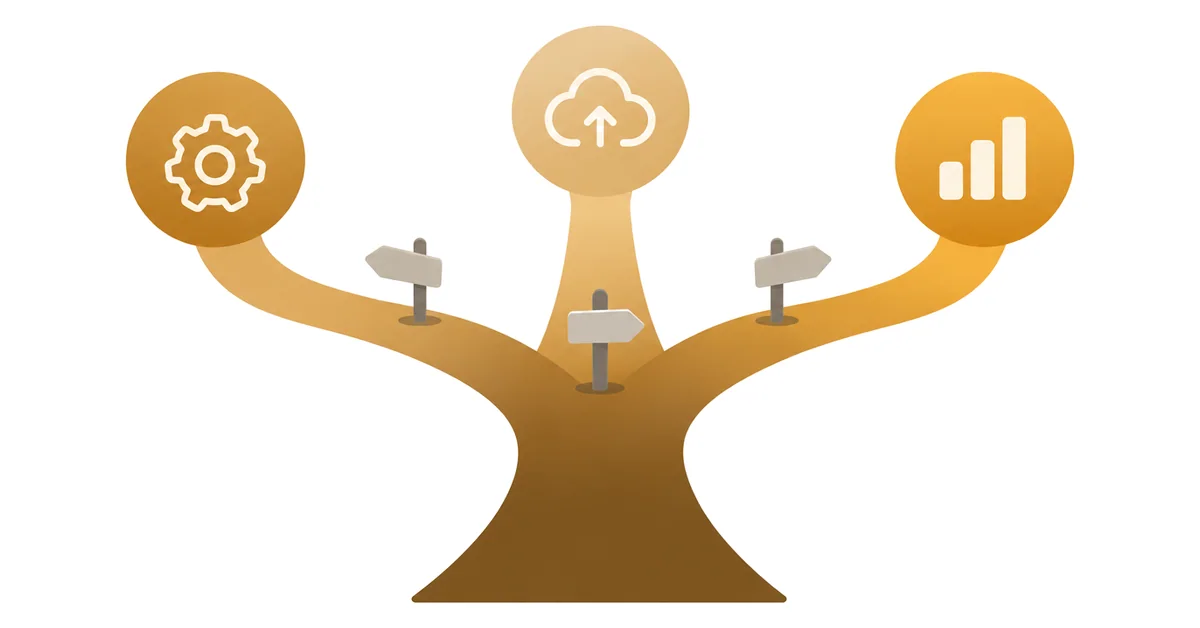
A trail splitting into signposted paths illustrates old application replaced module by module.

Incremental Migration That Keeps Your Business Running

Instead of a big-bang switch, a thin layer routes requests to old or new code. Module by module, traffic moves to the new platform while the old one keeps serving the rest.

Every step can be rolled back, and nobody has to freeze feature work for a year to make the move.

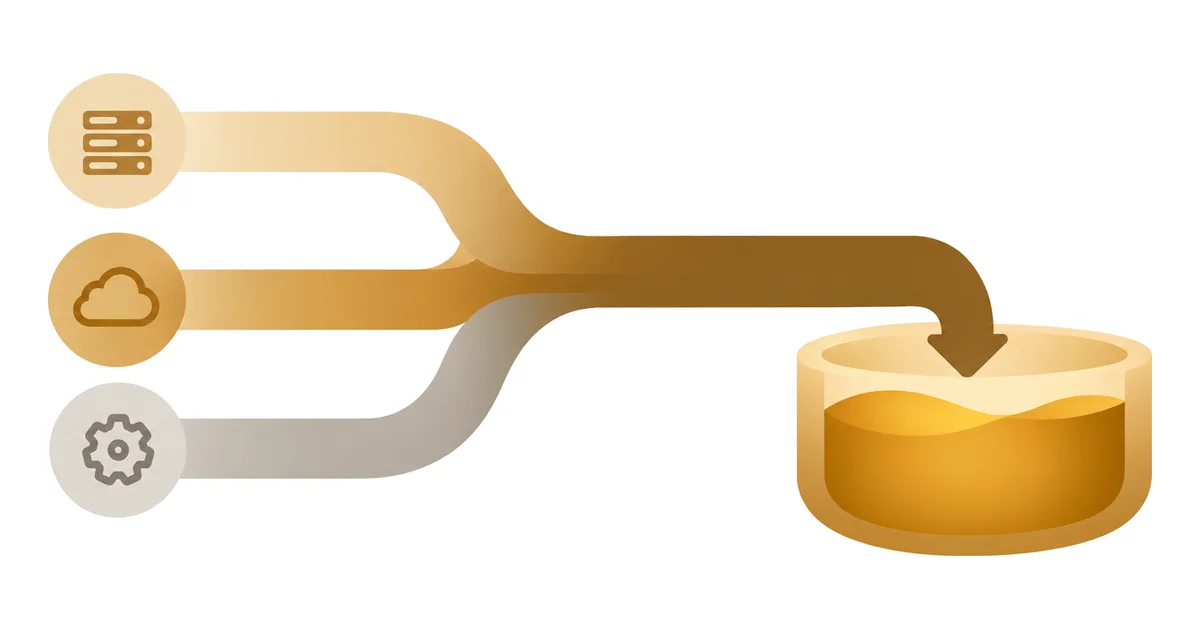
Streams merging into one clean basin illustrates reconciliation of migrated records, a deliverable of software modernization consulting.

Data Migration You Can Verify

Data causes most of the surprises. Test loads and reconciliation reports compare record counts, totals and edge cases between old and new stores before cutover.

You see exactly which records changed shape, and your team signs off with evidence rather than hope.

Software Modernization Consulting for Your Industry

The legacy problems that matter first in your sector.

Manufacturing and Supply Chain

Plant systems often run on software older than the team using it. Modernization isolates shop-floor interfaces first. See software architecture consulting for design questions behind the move.

Healthcare

Patient-facing and billing applications need strict data handling and audit trails during any migration. Parallel runs and reconciliation reports are standard, not extras.

Financial Services

Batch jobs and mainframe interfaces tend to hide business rules. Documenting them is half the work. Pair the move with software security consulting to close gaps tied to old components.

Retail and Logistics

Order and inventory systems must stay up during peak season. Migration steps get scheduled around your calendar. For the platform your move lands on, see software engineering consulting and software implementation consulting.

How to Choose the Right Software Modernization Consulting Partner

The right partner makes the difference between a system that quietly improves for years and a rewrite that never reaches production. Before you sign, check that your software modernization consulting partner can show you each of these:

  • An audit that rates every component for value and risk
  • A path per component, including parts that should stay
  • Incremental releases with a rollback plan for each step
  • Automated tests and parallel runs that compare old and new
  • Documentation and training so your team owns the result

Also ask what happens if priorities change halfway. A good plan lets you stop after any phase with a better system than you started with.

What You Can Count On From Your Modernization Partner

  • Fixed price icon

    One Agreed Price

    Know exactly what you pay before each phase starts.

  • Coin icon

    Expert Work at a Sensible Price

    Full support, priced for a first phase.

  • Account manager icon

    Personal Account Lead

    One contact who knows your project and answers your questions fast.

  • Shield icon

    Your Systems Stay Protected

    Least-privilege access, documented data flows and NDAs on request.

Software Modernization Consulting FAQs

Should We Rewrite Our Application from Scratch?

Rarely. Full rewrites tend to run late because the old system keeps changing while the new one is built. An audit usually shows that most of the code is worth keeping, and that a few modules cause most of the pain. Those get replaced first, in steps.

Will Our Business Stop During the Migration?

No. Modules move in small releases while the old system keeps serving the rest. Each step is tested against the old behavior and has a rollback plan. Cutover windows are planned around your busiest periods.

How Long Does Software Modernization Take?

An audit takes two to four weeks. Migrating one application in phases usually takes three to nine months, and a landscape of several systems takes longer. You get a phased timeline with the plan, and each phase ends with something that works in production.

What Does Software Modernization Consulting Cost?

Cost depends on code size, documentation quality, integrations and data volume. You get a realistic range on the free discovery call and a fixed quote for the audit. Later phases are quoted when the plan is clear, so there are no surprises.

What Is the Difference Between Rehosting, Refactoring and Replacing?

Rehosting moves the application to new infrastructure with little code change. Refactoring improves the code structure without changing what it does. Replacing swaps a component for a new build or a standard product. Most projects use a mix, chosen component by component.

How Do You Protect Our Data During Migration?

Data is mapped, test-loaded and reconciled before cutover, with counts and totals compared between old and new stores. Access follows least-privilege rules, transfers are documented and NDAs are available on request.

Can Our Own Developers Stay Involved?

Yes, and it is recommended. Your engineers join the audit and review each release, so they understand the new design before the old one is retired. Training and documentation come with the handover.

How Do We Know Modernization Is Worth It?

The audit puts numbers on it: release cycle time, incident count, maintenance effort and security exposure today. After each phase, the same measures show what changed, so you see the return before you fund the next step.
Start Your Software Modernization With a Free Plan

Get a free call and a clear plan for moving your legacy system forward.

Schedule a Free Consultation

Get Your Free Discovery Call

Enter your name.
That email address looks incomplete.
Add a short subject.
Tell us in a sentence or two what you need.