What Should We Test First?
Start with the flows that make or lose you money, such as sign-up, checkout, billing and the features your biggest customers use daily. Your QA audit ranks every area by customer impact, change frequency and past defects, so your first test effort protects what matters most and you see results within the first release cycle.
Will You Replace Our Testers?
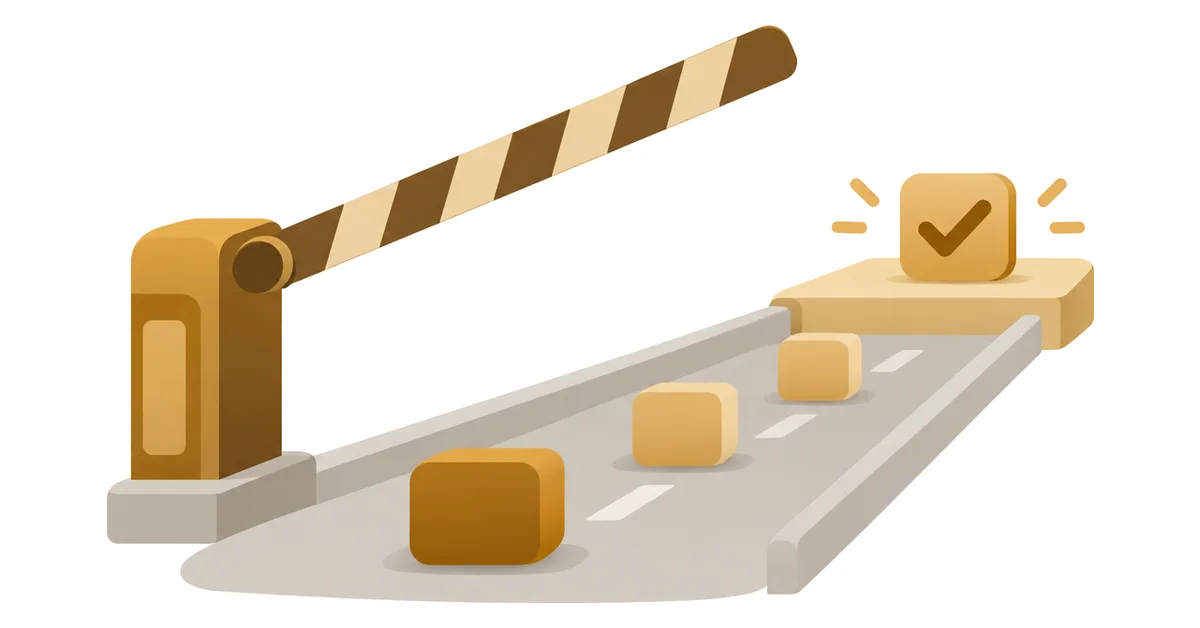
No. The goal is to make your team's testing faster and more reliable. Your testers keep ownership of quality, while the engagement adds a test strategy, automation for repetitive checks and clear release gates. Most teams use the time they win back for exploratory testing, where people find problems scripts never would.
Do You Work with Our Existing Tools?
Yes. Your test strategy fits the issue tracker, CI system and test tools you already use, whether that means Jira, GitHub, Playwright, Cypress, Selenium or a cloud device service. New tools are only recommended when they clearly pay for themselves, and you see the reasoning in writing before anything is bought.
When Can We Expect Results?
A first improvement usually shows within one release cycle. After a short QA audit you get a ranked plan with a timeline. Work is delivered in small steps, such as a stable smoke suite for your most important flows, so you can see the effect on escaped defects before the larger program continues.
Can You Build Our Test Automation?
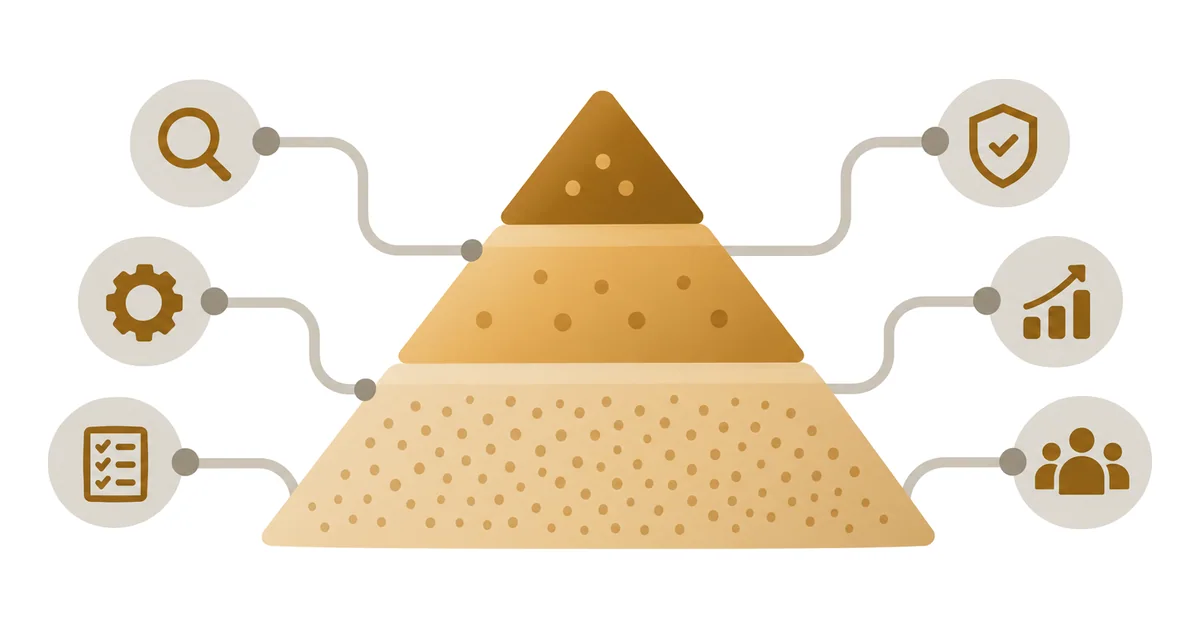
Yes. Automation is designed around a stable test pyramid: many fast unit and API checks, fewer interface tests and a small set of end-to-end journeys. Your team receives the code, documentation and training, so the suite belongs to you and stays maintainable after the engagement ends.
How Much Does QA Consulting Cost?
Cost depends on the size of your product, how many releases you ship and how much automation you need. You get a realistic range on your free discovery call and a fixed quote after the QA audit, so there are no surprises later. First projects are deliberately small, so they can prove their value quickly.
Should We Outsource Testing or Keep It In-House?
It depends on your product knowledge, release rhythm and hiring options. Many teams do best with a hybrid: internal people own strategy and new-feature testing, and a partner runs repeatable regression. You get an honest recommendation on your discovery call, along with a view of the cost of each route.
Which QA Metrics Will You Track?
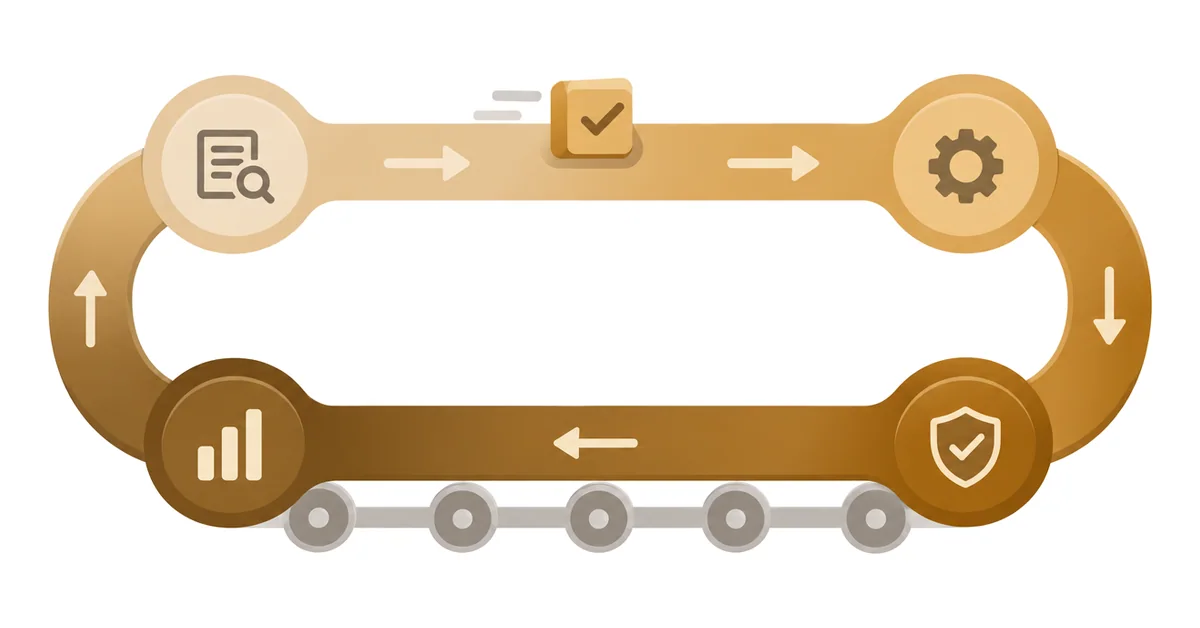
Defect escape rate, test coverage of critical flows, time to run regression, flaky test rate and mean time to fix. You agree on exact definitions up front, and you receive a monthly report that shows the trend, so you can see whether quality is improving as your release speed grows.
What Happens When a Bug Reaches Production Anyway?
Every escaped defect is traced back to its cause: a missing test, a gap in requirements or a late change. The fix includes a new test so the same bug cannot return. Over time, the escape rate falls, and your team spends less release time on firefighting.
Do You Offer Support After the Engagement?
Yes. Your dedicated account manager checks in monthly, helps with suite maintenance and adds coverage as your product changes. Support is available in 5+ languages. You also receive full documentation and training, so your team stays confident and in control of the test suite.

 You release with evidence