Main Points
- A pricing model has three parts: what you charge for, how you measure it and how you group features.
- Subscriptions, usage and hybrids each trade predictability against fit with customer value.
- Discount rules and renewal terms protect revenue as much as the list price does.
- The same ideas help you buy software: check seats, tiers and renewals against real usage.
Software pricing looks simple from outside: pick a number and put it on a page. Inside a company it is a mix of customer research, accounting, sales habits and a little guesswork. Getting it roughly right early matters, because a price becomes part of how customers see your product. A software pricing consulting review often starts by explaining the concepts in this guide to the team.
I wrote this guide for people who set software prices and for people who buy software and want to understand the other side. It moves from basics to advanced ideas. If you already have a model and want a plan to improve it, my software pricing strategy playbook goes step by step.
The Three Decisions Inside Every Software Price
Every software price answers three questions. What do you charge for: access, usage, outcomes or a one-time licence? What unit do you count: users, projects, records, locations? And how do you group features: one plan, several tiers or a base plus add-ons?
Beginners often look only at the price number. Experienced people spend most of their time on the other two questions, because they decide how the bill behaves as the customer grows. A fair number with the wrong metric still feels unfair to the customer.
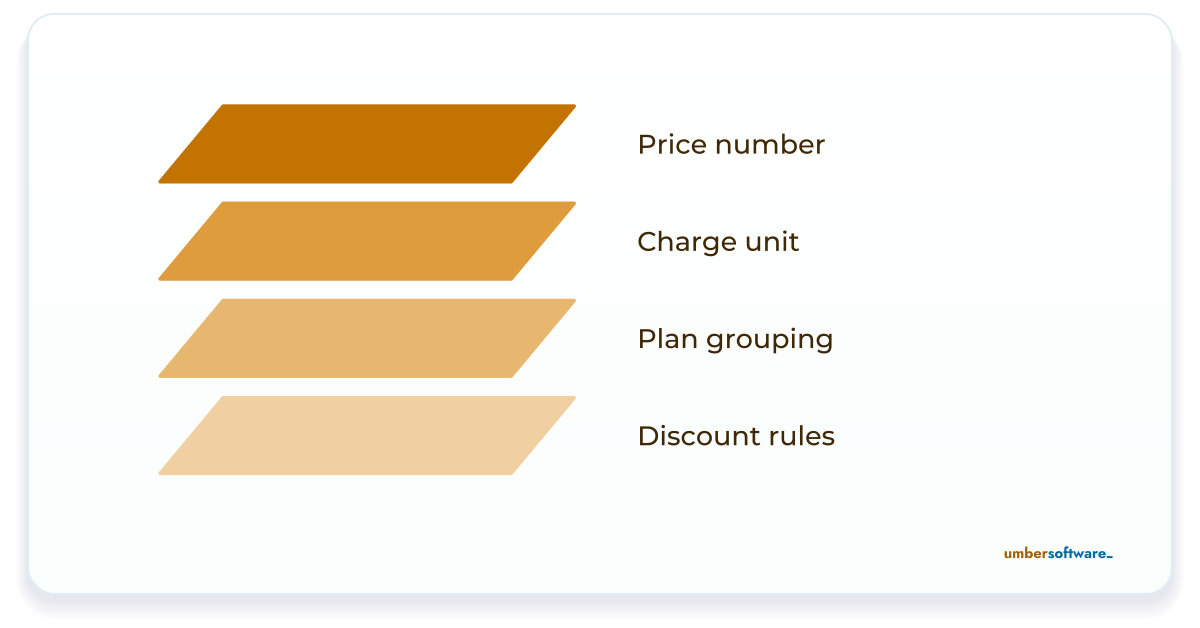
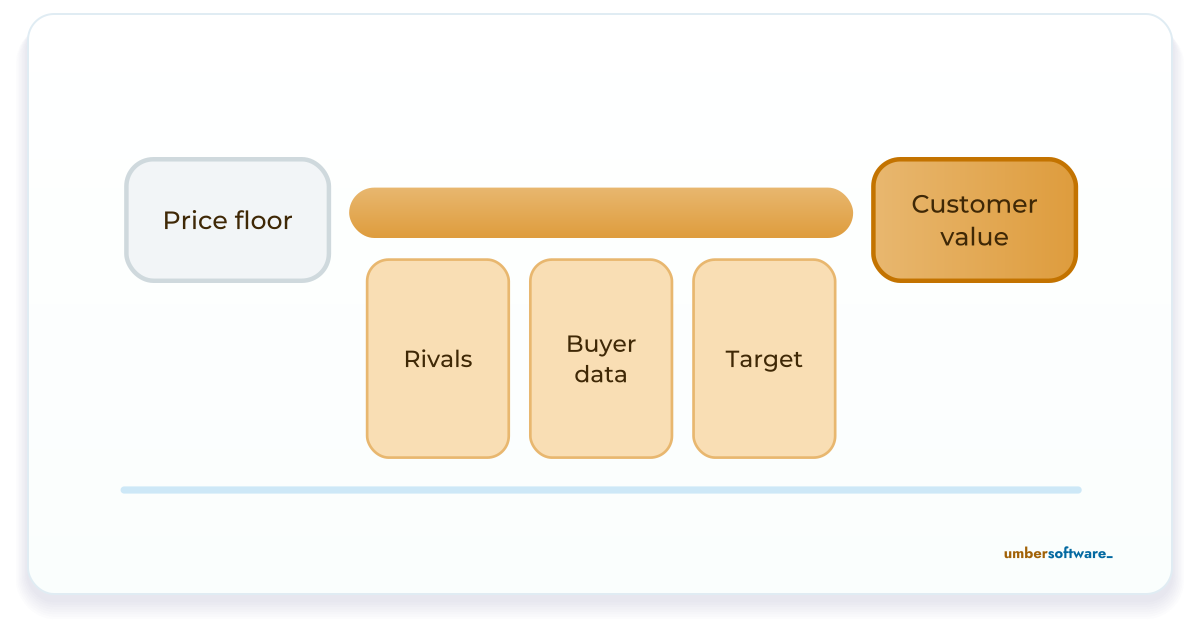
The number matters too, and it comes last. You set it with three inputs: your cost to serve, what alternatives cost and the value the customer gets. Cost is the floor, value is the ceiling, and competitors show you where buyers expect you to sit.
Common Software Pricing Models Compared
Most software uses one of a handful of models, or a mix. The table compares them on the points that matter in practice.
| Model | How it works | Strength | Look out for |
|---|---|---|---|
| Per user | A fixed fee per person per month | Easy to explain and forecast | Customers limit seats and share logins |
| Tiered plans | Bundles of features at set prices | Clear upgrade path | Too many tiers confuse buyers |
| Usage-based | Pay for what you use, such as calls or records | Aligns cost with value | Bills are harder to predict |
| Flat fee | One price for everything | Simple to sell | Heavy users cost you more than they pay |
| Hybrid | Platform fee plus a usage or seat metric | Predictable base with room to grow | More complex to explain |
| One-time licence | Pay once, optional maintenance | Low long-term cost for buyers | Revenue is lumpy for sellers |
No model is correct in general. Per-user pricing suits tools where every person gets individual value, such as design or project software. Usage pricing suits infrastructure and communication products, where volume varies a lot. Hybrids have become popular because they give customers a stable bill and give sellers a way to grow revenue.
Picking the Value Metric
The value metric deserves its own section, because it shapes everything else. A good one passes four checks. It grows when the customer's success grows. It is easy to count. It is understood without a manual. And it keeps your own costs in line with your revenue.
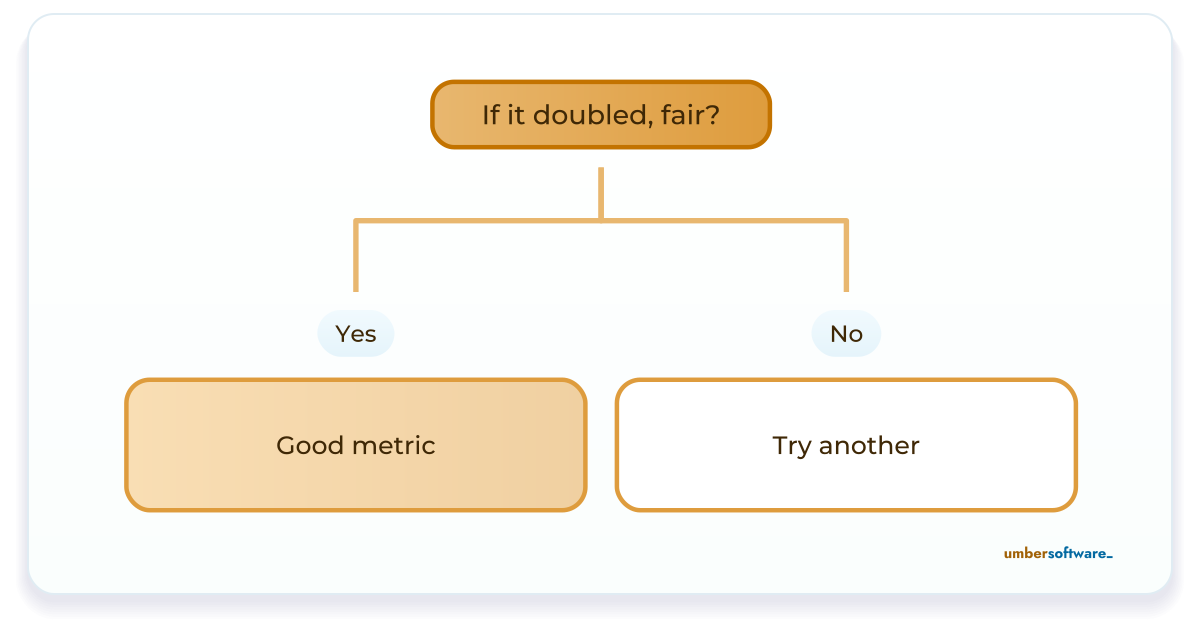
A simple test is to ask a customer: "If this number doubled, would you expect to pay more?" If the answer is yes without a fight, the metric is probably fair. If they would feel punished, look for another one. A chat tool that charges per message punishes the most engaged teams, so many chat vendors charge per active user instead.
Packaging: How Plans Guide Customer Choice
Plans work as a menu. A good menu has a clear default, a lower option for light users and a higher one for demanding ones. Most buyers pick the middle, so design it for your core segment and price the others around it.
Gate features by the buyer who needs them. Individual contributors need core tools. Teams need collaboration. Companies need security, single sign-on, audit logs and support commitments. The top tier then looks expensive only to those who do not need it.
Add-ons suit features that only some customers use and that cost you real money to run. Keep the list short. Ten add-ons feel like a trap to a buyer, while two or three feel like a choice.
Advanced Tactics That Experienced Teams Use
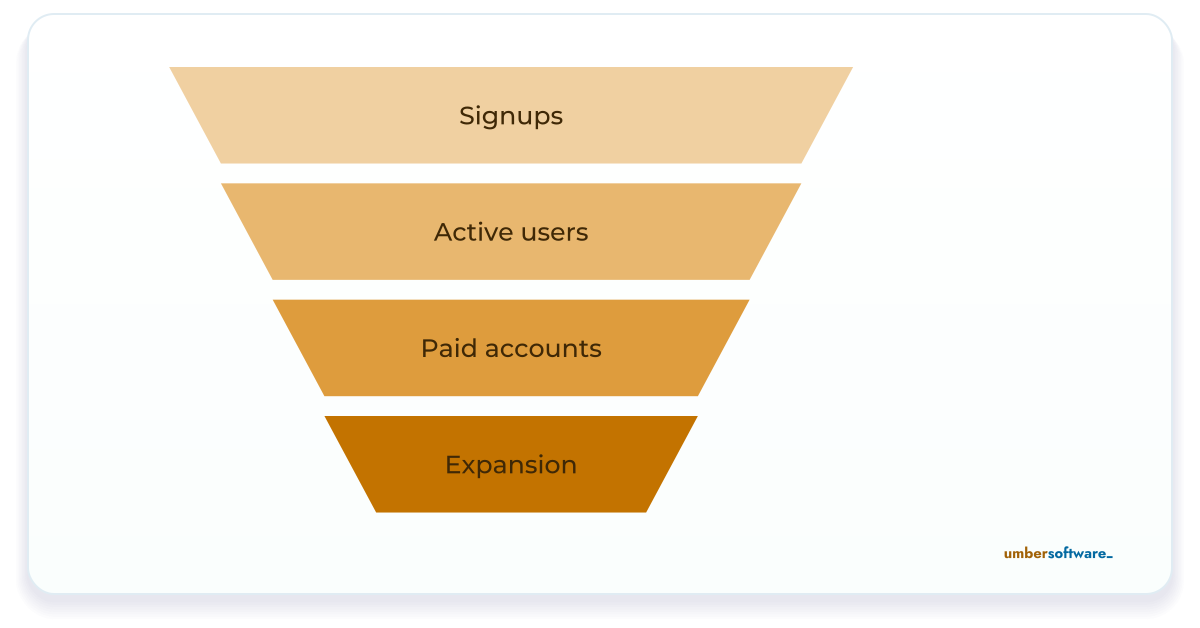
Once the basics are in place, a few tactics help. Annual billing discounts improve cash flow and retention, and a common range is a month or two free for paying upfront. Minimum commitments protect revenue for usage-based products. Expansion paths, such as seat growth and new modules, let a small customer grow into a large one without renegotiating.
Free tiers and trials bring volume but cost money to serve. They work when the product spreads inside a company and a clear step leads to paid use. They hurt when free users never convert. Track conversion by cohort and the cost of serving free accounts, so you can decide with numbers.
Price increases are the toughest tactic. Raise prices for new customers first, protect existing ones for a defined period and communicate the value they have received. A price change announced with no explanation reads as a grab. The trends that will test your model next are covered in software pricing trends.
A Simple Way to Pick a Model for Your Product
If you are choosing a model for the first time, walk through your product and your buyers with a short set of questions. They narrow the field quickly, and each answer points to a model that tends to fit.
| If this describes you | Lean toward | Why |
|---|---|---|
| Every person gets their own value, and usage per person is similar | Per-user plans | Seats track value and are easy to forecast |
| Usage varies by a factor of ten or more between customers | Usage-based or hybrid | A flat fee would overcharge small users and undercharge large ones |
| Buyers are small teams who want a quick decision | Two or three public tiers | Clarity shortens the sales cycle |
| Buyers are large companies with security reviews | Platform fee plus modules, sold by quote | Custom scope and procurement rules need flexibility |
Treat the result as a hypothesis and test it with real prospects. Models are easier to change in the first year than in the fifth, so launch something sensible and learn from the first deals.
How to Calculate Your Price Floor
Your floor is the lowest price at which a customer is still profitable. The calculation is simple, and many teams have never done it. Add the monthly cost of serving one customer: hosting, third-party services, payment fees, support time and a share of customer success. Divide by the gross margin you want to keep.
A quick example: a customer costs you fourteen dollars a month to serve, and you want a seventy percent gross margin. Divide fourteen by thirty percent, and your floor is about forty-seven dollars. Any plan priced below that either needs a lighter-use customer or a reason to accept a lower margin, such as a strong path to expansion.
Do this for each plan and each segment. Free users and heavy users often have very different costs, and the numbers show where a plan quietly loses money. Check them again whenever your infrastructure or support model changes.
Understanding Pricing From the Buyer's Side
If you buy software, knowing how sellers think gives you an advantage. Vendors price to your size, your industry and your urgency. List prices are a starting point, and discounts of various sizes are common in larger deals. Contract terms such as renewal caps, seat flexibility and overage rates change the real cost more than the headline rate.
Before a renewal, compare your seats and tiers with real usage, check the metric against your growth plan and ask what happens at the next renewal. For deals where the stakes are high, help with software contract negotiation turns this understanding into better terms.
Keep a record of what you pay for each tool and who uses it. Many companies discover that a few tools overlap in function, and that cancelling one saves more than any discount would.
Pricing Mistakes That Cost the Most
The same mistakes appear again and again. Setting prices from cost alone leaves value on the table. Copying a competitor means copying their costs and customers, not yours. Letting every deal become an exception destroys the meaning of a list price. Changing price and packaging at once hides which change worked. Ignoring existing customers in a price change turns your best accounts into critics.
The last common mistake is never looking again. A price that suited your product three years ago may no longer reflect its value. Put a review on the calendar every year, and use real billing data when you do.
A Checklist to Review Your Own Pricing
Use these questions to see where your pricing stands.
- Can a new customer explain in one sentence what they pay for?
- Does the bill grow when the customer's value grows?
- Is there a clear default plan for your main segment?
- Are discount limits written down, with a named approver?
- Do renewal terms and price caps appear in the contract?
- When did you last compare plan usage with the plan limits?
If you answer no to two or more, begin with the one that touches the most revenue. Usually that is the metric or the discount rules.
Questions About Software Pricing
What Is the Most Common Way to Price Software?
Subscription pricing is the most common for business software: customers pay monthly or yearly for access. Within that, the charge is usually per user, per tier or by usage. One-time licences and perpetual models still exist, mostly for on-premises or specialist tools.
What Is a Value Metric?
A value metric is the unit your price grows with, such as seats, projects, records or transactions. A good one rises when the customer gets more value, is easy to understand and can be measured without disputes.
How Do I Price a New Software Product with No Customers Yet?
Start from the value to your target customer, the price of alternatives and your costs. Interview prospects, pick a price slightly above your comfort level and plan to adjust after the first twenty or so deals.
Should Software Prices Be Public?
For simple products and self-serve buyers, yes: public prices shorten the sales cycle. For complex, high-value or custom products, a 'contact sales' model is common. A hybrid, with starting prices public and enterprise by quote, works for many.
What Does a Good Software Pricing Page Include?
Clear plan names, the value metric, a short list of what differs between plans, a recommended plan, annual and monthly options and a visible path to talk to sales. Avoid a long feature grid that buyers cannot parse.
How Do I Price Software That I Buy for My Company?
You do not set the price, but you shape it: check seats against usage, compare tiers, negotiate terms and review renewals. The same concepts apply from the buyer's side, and a licence review often finds savings.
When Is It Time to Change My Software Pricing?
When revenue stalls while usage grows, when discounting becomes the norm, when your product has changed a lot since launch or when you enter a new segment. Check data first, then run a test.
Please note: this guide is general information and not legal, financial or tax advice. Numbers and examples are typical-project estimates; confirm current details with your providers and advisers.
Did this article help you?
Thanks, noted.
Whitney Sorensen
Whitney leads the Umber editorial team and works with the consultants to turn real client projects into practical guides on software selection, custom development, integration and legacy modernization. Before joining Umber, she spent years writing and editing for engineering and IT teams. She has since reviewed architecture audits, system selections and modernization plans from client projects across industries from manufacturing to healthcare. She works remotely from the USA.